How Gum Disease Treatment Restores Oral Health and Confidence
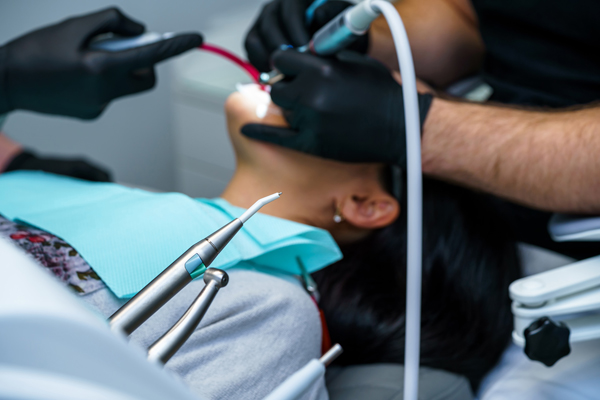
Gum disease is a common yet serious oral health issue that can cause discomfort, damage, and even tooth loss if left untreated. With the right gum disease treatment, patients can not only stop the infection in its tracks but also restore the patient's overall oral health. Knowing the true impact of gum disease and how the dentist will approach each stage can help better prepare you for your appointment.
Understanding gum disease
Gum disease, or periodontal disease, begins when plaque builds up on the teeth. Plaque is a sticky film of bacteria that can irritate the gums, leading to inflammation and infection. The early stage of gum disease is known as gingivitis, which causes redness, swelling, and bleeding.
If a dentist cannot promptly treat gingivitis, it can progress to periodontitis, a more advanced form of gum disease. Periodontitis can cause chronic bad breath and pain, and the gums can pull away from the teeth, creating deep pockets where bacteria can grow. Over time, this can lead to bone loss and tooth loss.
Non-surgical gum disease treatment
In the early stages of gum disease, non-surgical treatments can often reverse the condition and restore gum health. Scaling and root planing are common procedures involving deep teeth and gums cleaning. Scaling removes plaque and tartar from above and below the gum line, while root planing smooths the tooth roots to help the gums reattach.
Often, the dentist will prescribe antimicrobial treatments to reduce bacteria and inflammation. These may include medicated mouth rinses or gels applied to the gums. These treatments can effectively manage and even reverse gum disease when combined with improved oral hygiene practices.
Advanced gum disease treatments
Surgical treatments may be necessary for more advanced gum disease to restore oral health. The dentist may refer the patient to a specialist to undergo these treatments. The most common advanced gum disease treatment is gum grafting, which addresses the side effects of the disease. It involves harvesting healthy gum tissue from elsewhere in the mouth, suturing it to the receding areas, and allowing it to adhere to the point of becoming one.
Patients may also undergo bone grafts if they have significant bone or gum loss. Bone grafts stimulate the regeneration of lost bone, with the help of synthetic material, human or animal bone. These procedures not only restore function but also improve the appearance of the smile.
Maintaining results after gum disease treatments
The benefits of gum disease treatment can be long-lasting, but maintaining healthy gums requires ongoing care. A consistent oral hygiene routine is essential for preventing the recurrence of gum disease. Brushing twice daily, flossing daily, and using the prescribed antimicrobial mouthwash help control plaque and bacteria.
Regular dental visits are also critical. Professional cleanings remove tartar that the patient cannot remove through traditional efforts at home, and routine check-ups allow the dentist to monitor gum health. Patients with gum disease may need more frequent cleanings or specialized care to ensure their gums stay healthy.
Further, a balanced diet can also support gum health. Foods rich in vitamins and minerals, like fruits and vegetables, promote strong teeth and gums. Limiting sugary snacks and drinks reduces the risk of plaque buildup and gum inflammation. The dentist will provide patients with more personalized details during their routine appointments.
The confidence boost of gum disease treatments
Gum disease can significantly impact a person's confidence. Symptoms like swollen gums, bad breath, and loose teeth can make people self-conscious about their smiles. By addressing these issues, gum disease treatment helps patients regain their confidence and feel more comfortable in social and professional settings.
Restoring the appearance of the gums and teeth can make a smile look healthier and more attractive. Healthy gums frame the teeth and contribute to a balanced, natural smile. Treatments that repair gum recession or replace lost tissue can also improve the overall aesthetics of the mouth.
Get ahead of gum disease
Gum disease treatment does more than restore oral health—it helps rebuild confidence in a smile. By stopping the progression of the disease and repairing damage, these treatments improve both the function and appearance of teeth and gums. Whether it involves non-surgical treatments like scaling and root planing or advanced procedures like grafts, gum disease treatment provides long-term benefits for oral health and overall well-being. Patients can maintain their results with the right care and enjoy a healthier, more confident smile. Contact Cedar Lane Family Dentistry and schedule an appointment if you are experiencing any gum disease-related symptoms.
Request an appointment here: https://franklincosmeticdentist.com or call Cedar Lane Family Dentistry at (317) 736-7476 for an appointment in our Franklin office.
Check out what others are saying about our dental services on Yelp: Gum Disease in Franklin, IN.
Related Posts
Patients do not have to accept bleeding gums as part of routine oral health maintenance as this condition can lead to more advanced forms of gum disease. It can easily be treated with specialized products in the early stages. These patients should visit a dentist as soon as possible after noticing gum inflammation or bleeding…
Gum disease attacks the healthy gum and bone structure in the mouth and in extreme cases can cause the teeth to fall out. Bleeding gums are an early warning sign of the infection, but unfortunately, many smokers, vapers, and tobacco chewers miss it. Because of this and other factors, smoking is a leading cause of…
Flossing can seem like a chore, but the link between flossing and bleeding gums is clear. Sometimes, when you floss, you might occasionally find it causes your gums to bleed. That does not mean that flossing is bad for you — but you may not be doing it properly. Frequent flossing is the solution to…
When people experience bleeding gums while brushing, they might not believe there is much cause for alarm because it is a common problem. However, this bleeding may indicate a growing gumline infection that could lead to serious complications and have a negative impact on oral health. Those who experience this issue can reverse or even…