How Dental Fillings Can Repair Cavities
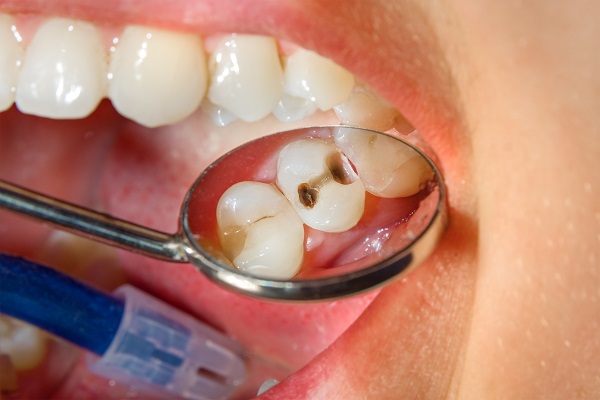
Cavities are caused by the buildup of bacteria in the teeth, which leads to acidic plaque that eats away at the enamel of your teeth. Over time, this weakens your teeth until they break or fall out, leaving you with painful cavities that can destroy your smile if left untreated. Luckily, dental fillings effectively repair your teeth while also restoring strength and beauty to your smile.
What is a cavity?
Tooth decay is holes in your teeth. They’re created when bacteria in plaque interact with sugars found in food and drink to produce acids that corrode your teeth over time. If not treated, tooth decay can spread deeper into your tooth, which can weaken it further or cause tooth loss. Symptoms include sensitivity to hot and cold foods/drinks and visible signs like chipped or cracked teeth. Your dentist may recommend an exam, cleaning, and x-rays if you have symptoms of a cavity.
What is a dental filling?
A dental filling is a restorative material used to restore decayed areas in teeth. It can be used to restore teeth that have suffered from tooth decay, but it can also be used as a preventative measure for people prone to oral issues. A dental filling is placed inside small holes drilled into the enamel, filled with resin-based materials.
A dental filling is often made from resin, a type of plastic commonly used to create models and castings. Resin-based fillings also tend to be softer than other materials such as amalgam, which means they’re less likely to chip or fracture over time.
When is treatment needed?
If your tooth becomes sensitive or painful to hot or cold foods, you may have a cavity. Have an expert examine your teeth if you suspect that you do. A dentist will evaluate how deep into your tooth enamel (the hard outer layer of your teeth) it extends and whether it is spreading. If they are not treated, they will spread deeper into your teeth over time and may require removal of part of your tooth or even all of it in some cases.
If you have a cavity, treatment will depend on how deep into your tooth it has spread. If it’s just at or just below your enamel and is no more than 1 millimeter deep (about 0.04 inches), then filling may be an option. However, if there is decay under your enamel or between two teeth or if it extends further than 2 millimeters (0.08 inches) into your tooth, then surgery may be required.
Choosing between fillings
Fillings are primarily used to repair cavities in teeth. Today, they’re available in two major types: amalgam fillings (silver fillings) and composite fillings (white fillings). Here’s how they differ. Amalgam fillings are traditional fillings that use a mixture of mercury and other metals—such as silver, tin, copper, or zinc—to fill a cavity. Composite fillings are new-school white fillings that contain a resin that’s mixed with colored pigment; you can choose from a range of shades to make your filling match your natural tooth color as closely as possible.
Request an appointment here: https://franklincosmeticdentist.com or call Cedar Lane Family Dentistry at (317) 736-7476 for an appointment in our Franklin office.
Check out what others are saying about our services on Yelp: Cavities in Franklin, IN.
Related Posts
Gum disease treatment helps protect the teeth, support healthier gums, and reduce the risk of long-term damage caused by infection and inflammation. Many patients are surprised to learn how common gum disease can be — especially early-stage gum disease. What begins as mild gum irritation may gradually affect the tissues and bone that support the…
Patients do not have to accept bleeding gums as part of routine oral health maintenance as this condition can lead to more advanced forms of gum disease. It can easily be treated with specialized products in the early stages. These patients should visit a dentist as soon as possible after noticing gum inflammation or bleeding…
Gum disease attacks the healthy gum and bone structure in the mouth and in extreme cases can cause the teeth to fall out. Bleeding gums are an early warning sign of the infection, but unfortunately, many smokers, vapers, and tobacco chewers miss it. Because of this and other factors, smoking is a leading cause of…
Flossing can seem like a chore, but the link between flossing and bleeding gums is clear. Sometimes, when you floss, you might occasionally find it causes your gums to bleed. That does not mean that flossing is bad for you — but you may not be doing it properly. Frequent flossing is the solution to…